Goddess of Victory: Nikke figures

勝利の女神:NIKKE

not_yet_aired unknown
Action Ecchi Mecha Military Video Game

About Goddess of Victory: Nikke

Goddess of Victory: Nikke Anime Overview

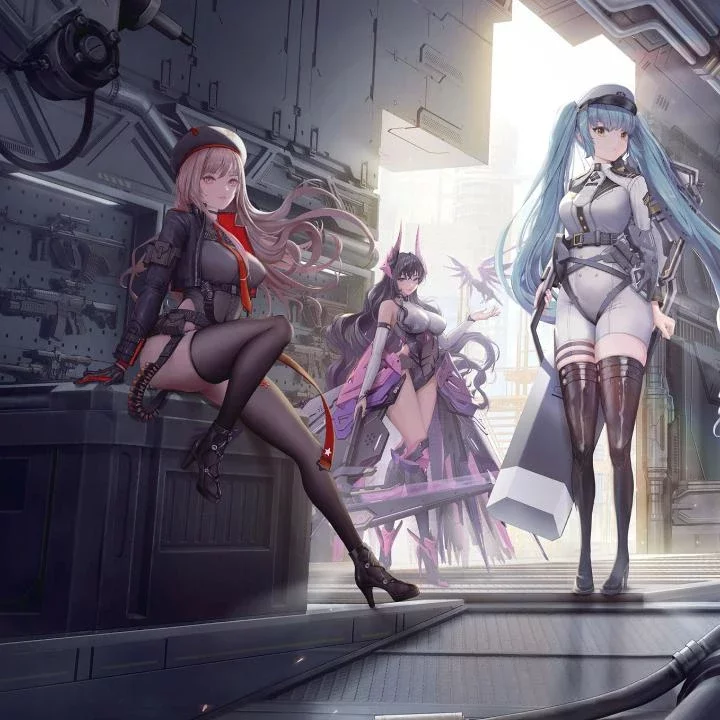
Goddess of Victory: Nikke figures are a natural extension of a series that combines a polished sci-fi look with dramatic storytelling and a cast of memorable heroines. Although Goddess of Victory: Nikke began as a game rather than a traditional television anime, its presentation has a strong anime identity. Cinematic story scenes, expressive character art, emotional voice work, and a clear focus on character bonds give it the same kind of appeal that draws fans to larger anime franchises.

Set in a ruined future, Goddess of Victory: Nikke follows humanity after the surface has been lost to the Raptures, mechanical invaders that forced the last survivors underground. Those survivors now live in the Ark, a vast city built beneath the world they once knew. To fight back, humanity depends on the Nikkes, artificial soldiers created to take the battle to the surface. From that premise, the series develops a story shaped by loss, duty, memory, and the fragile determination to reclaim what has been taken.

What makes Goddess of Victory: Nikke anime-style storytelling stand out is its contrast between beauty and hardship. The visual design is sleek and striking, yet the world itself is harsh, damaged, and often morally uneasy. The series can move from large-scale operations and ruined battlefields to quiet moments of trust, grief, humor, and restraint. That balance gives the story its emotional pull and helps it feel far more substantial than a simple action setting.

Goddess of Victory: Nikke Story and Characters

The story is experienced largely through the Commander, whose role gives the audience a human perspective inside a world already defined by loss. He is not only a battlefield leader, but also an important emotional anchor because he treats the Nikkes as individuals rather than disposable weapons. In a society that relies on them for survival while often withholding real dignity from them, that difference matters. The central conflict therefore becomes more than a military struggle. It is also a story about recognition, trust, and what it means to remain human in a world built on survival.

Goddess of Victory: Nikke Main Cast Focus

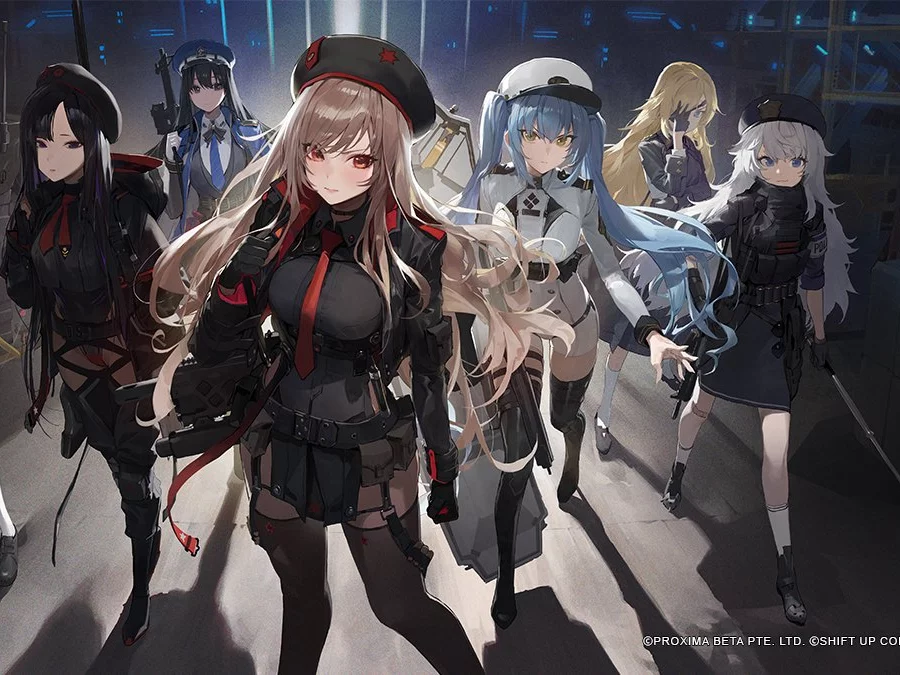
Rapi is one of the defining Goddess of Victory: Nikke characters and one of the clearest symbols of the series’ emotional tone. Calm, disciplined, and dependable, she gives the Counters squad stability in battle and quiet weight in dialogue-heavy scenes. Anis brings a different rhythm. She is outspoken, witty, and often refreshingly direct, which allows her to cut through tension without undermining the seriousness of the world. Neon adds a brighter and more enthusiastic energy, creating contrast within the team and keeping the group dynamic from becoming too severe.

Marian holds a special place in the emotional identity of Goddess of Victory: Nikke. Her role in the early story establishes very quickly that the series is willing to tie its stylish presentation to genuine emotional consequence. As the narrative expands, other characters deepen the world through different factions, combat units, and personal histories. Figures such as Privaty, Dorothy, Snow White, and Red Hood each reveal a different side of the setting, whether through discipline, tragedy, legend, or raw determination. That broad cast is one of the reasons the series continues to hold attention so effectively.

Goddess of Victory: Nikke Worldbuilding and Setting

The world of Goddess of Victory: Nikke is built on defeat, but it never feels like a static backdrop. The Ark is both a refuge and a controlled society, a place that promises safety while revealing hierarchy, fear, and political pressure. Humanity survives there through order, military power, and the continued service of the Nikkes, yet that dependence also exposes the contradictions at the heart of the setting. The city is secure, but it is also a reminder that the real world has been lost.

The surface remains one of the strongest symbols in the series. It is dangerous and devastated, but it also represents possibility. Every mission upward carries the memory of what humanity failed to protect and the hope that one day it might be reclaimed. Because of that, the setting has emotional force beyond its visual design. The war is not simply about defeating monsters. It is about whether the future can become more than a managed existence underground.

Another important layer of the setting comes from the relationship between humans and Nikkes. The Nikkes are essential to survival, yet their place in society is not free from prejudice or control. That contradiction gives many story scenes their tension. Goddess of Victory: Nikke uses its worldbuilding to ask difficult questions about duty, identity, and personhood, which is why the setting remains memorable long after the first impression.

Goddess of Victory: Nikke Themes and Style

At its core, Goddess of Victory: Nikke is a story about survival shaped by contradiction. It presents glamorous, highly stylized heroines in a world marked by grief, sacrifice, and emotional exhaustion. The result is a series that never relies on visual appeal alone. Its strongest moments come from the contrast between outward strength and inward vulnerability, especially when characters are forced to keep moving through pain, loyalty, and impossible expectations.

A major theme is the uneasy boundary between utility and humanity. The Nikkes are weapons and protectors, but they are also individuals with memories, feelings, and bonds. The series returns repeatedly to the discomfort of a society that depends on them while denying them full recognition. Because of that, smaller acts of kindness, trust, and loyalty feel meaningful. They push back against a world that often values efficiency more than compassion.

Stylistically, the series is elegant and immediately recognizable. Character designs are varied, expressive, and carefully built around strong silhouettes. The battle presentation is energetic, but the quieter scenes are equally important because they allow the cast to develop emotional presence. Music, visual polish, and dramatic framing all contribute to the sense that Goddess of Victory: Nikke offers more than spectacle. Its style works because it is tied closely to atmosphere and character.

Goddess of Victory: Nikke Popularity and Impact

Goddess of Victory: Nikke quickly established itself as one of the most visible anime-style sci-fi franchises in its field. Its appeal comes from more than its visual presentation. Fans responded strongly to the combination of a distinctive world, emotionally charged storytelling, and a cast large enough to support many different favorites. New chapters, character releases, and event stories have helped the series maintain momentum while steadily expanding its identity.

The franchise has also shown how effectively a character-focused sci-fi title can resonate when atmosphere and story are treated as seriously as design. Goddess of Victory: Nikke characters remain memorable not only because they look striking, but because they are given emotional texture. Rapi’s restraint, Anis’s honesty, Marian’s impact, and the broader cast’s range all help create long-term attachment. That is part of why the series has grown into a recognizable name well beyond its original format.

Its popularity naturally extends into physical collectibles. A series with clear faction identities, dramatic designs, and fan-favorite heroines is especially well suited to merchandise. In that sense, the impact of Goddess of Victory: Nikke can be seen not only in fan discussion and community enthusiasm, but also in the lasting demand for anime figures, display items, and other character goods.

Goddess of Victory: Nikke Figures and Merchandise

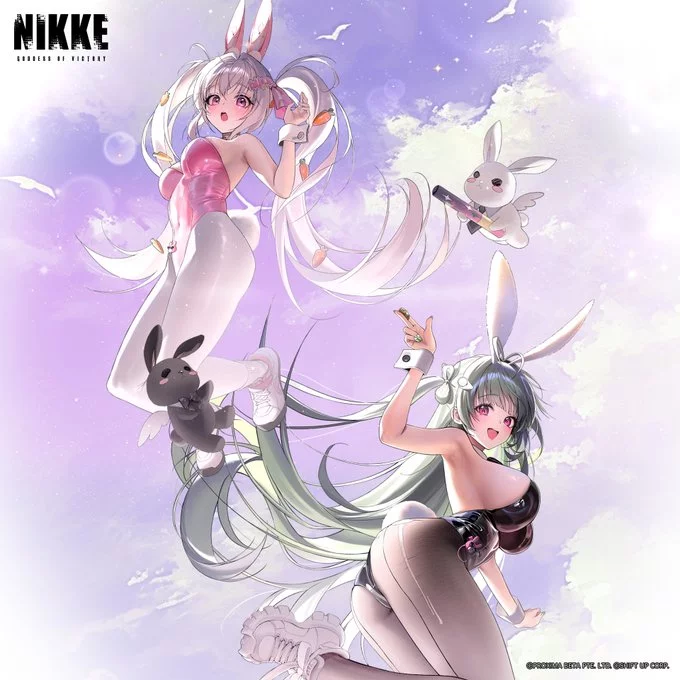
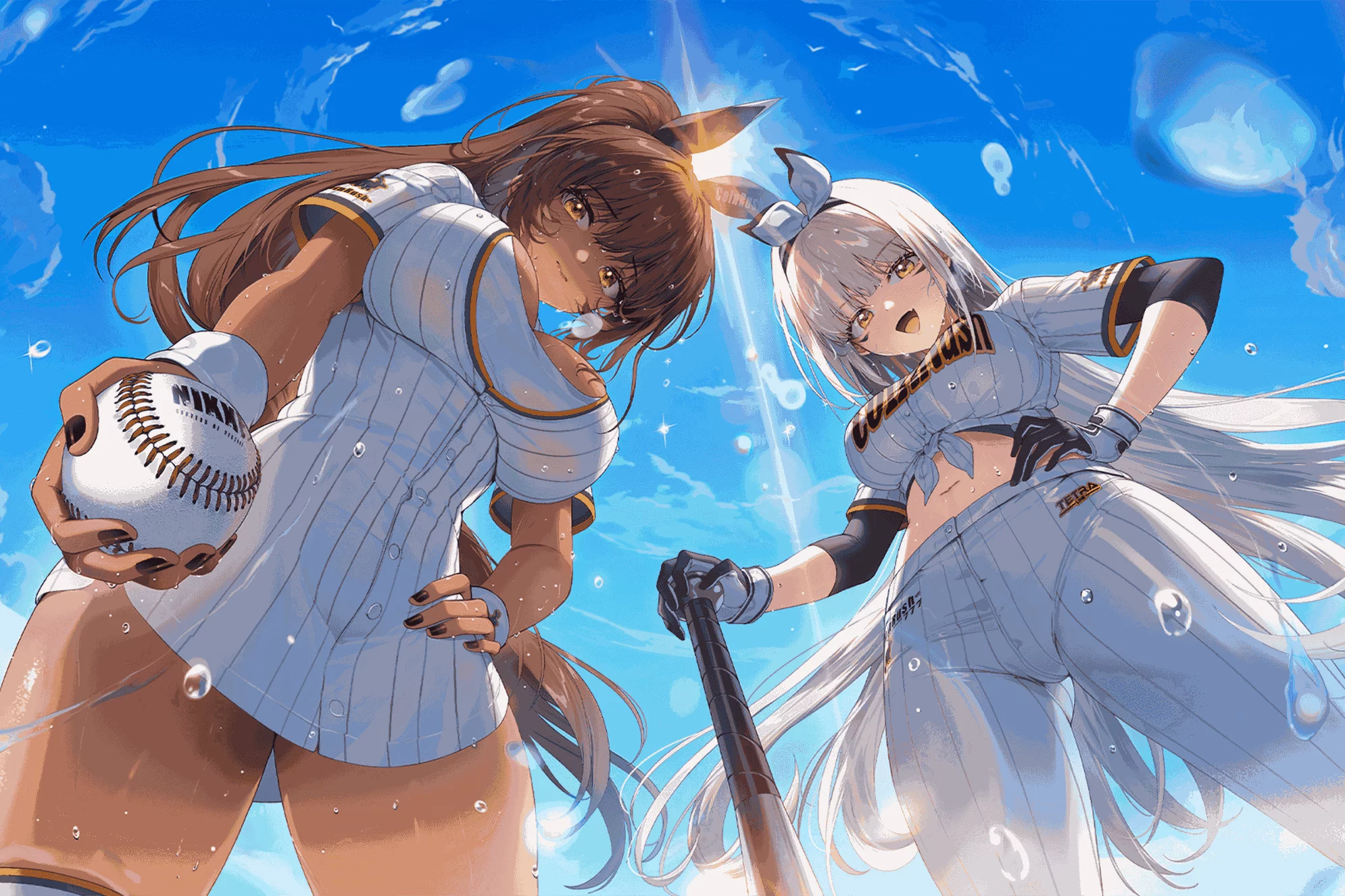
Goddess of Victory: Nikke figures are especially appealing because each major heroine has a strong visual identity. Rapi, Anis, Marian, and Neon all bring a different atmosphere to a collection, whether a collector prefers a calm tactical presence, a brighter and more playful energy, or a design connected to one of the story’s most emotional turns. The broader cast adds even more variety, making the series a strong fit for both focused character displays and larger sci-fi-themed shelves.

Goddess of Victory: Nikke Collectibles and Figure Styles

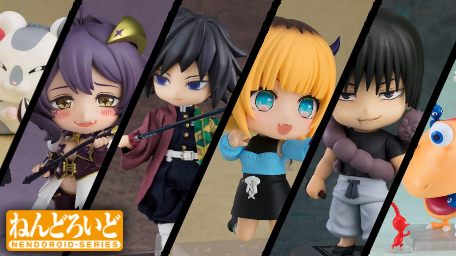
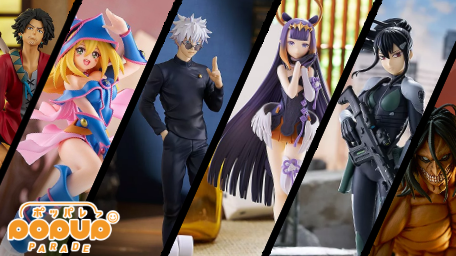
The franchise works well across multiple figure formats. Nendoroids can capture personality and expression in a compact form, while scale figures are ideal for costume details, weapon designs, and more dynamic poses. Pop Up Parade releases suit collectors who want recognizable versions of favorite characters in an accessible format, and prize figures remain a fun option for building a display without losing the appeal of the original designs. Beyond anime figures, the series also lends itself naturally to acrylic stands, keychains, posters, and other merchandise built around its popular cast.

Because the line-up of Goddess of Victory: Nikke characters is so varied, collectors can focus on a single favorite such as Rapi or Marian, or build around a full squad and create a display with real identity. Browse the full Goddess of Victory: Nikke figure collection at Online Otaku, from Nendoroids to scale figures, sorted by character.
Goddess of Victory: Nikke Goddess of Victory: Nikke

Shop Goddess of Victory: Nikke products