Madoka Magica figures

魔法少女まどか★マギカ

8.38 finished_airing 12 episodes tv 2011 - 2011
Studio: Shaft
Award Winning Drama Mahou Shoujo Psychological Suspense

About Madoka Magica

Madoka Magica Anime Overview

Madoka Magica figures have become closely tied to one of the most influential anime series of the 2010s. What begins as a story about ordinary schoolgirls and magical contracts quickly unfolds into something far more intense, emotional, and unsettling. Madoka Magica anime introduced a striking contrast between soft character designs and a story filled with sacrifice, fear, hope, and consequences, which helped it stand apart almost immediately.

First released as a television anime in 2011, Madoka Magica was created as an original series rather than an adaptation of an existing manga. That gave it a tightly controlled structure and a deliberate sense of progression, with each episode revealing another layer of the world and its rules. Even viewers familiar with magical girl storytelling found themselves surprised by how quickly the tone shifted and how seriously the series treated the emotional cost of power.

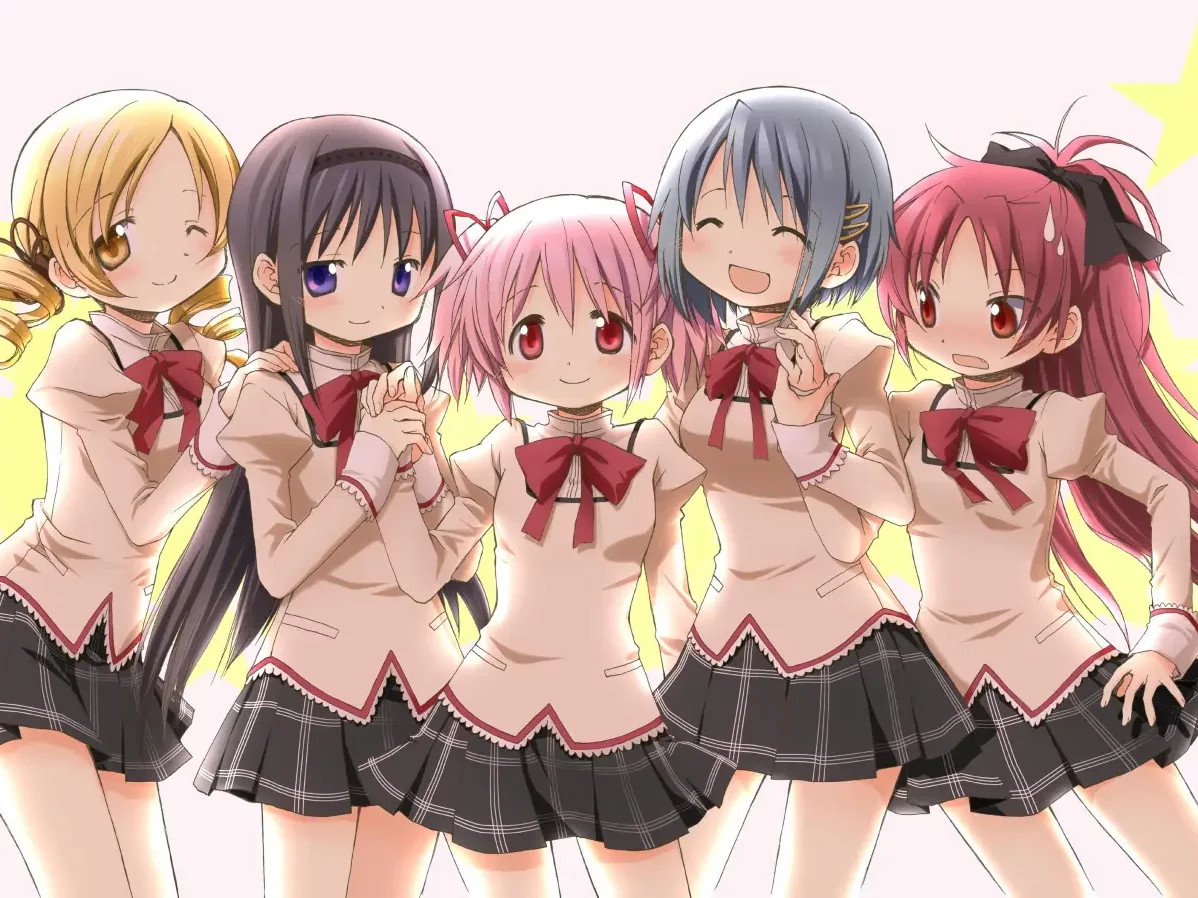
The series centers on Madoka Kaname, a kind and uncertain middle school girl whose peaceful life is interrupted when she encounters the mysterious Kyubey and the enigmatic Homura Akemi. From there, the anime introduces a cast of magical girls whose wishes, ideals, and regrets shape the heart of the story. Madoka Magica is remembered not simply for its twists, but for how carefully it builds toward them.

Madoka Magica Story and Characters

The story of Madoka Magica begins in a familiar way. Madoka and her close friend Sayaka Miki are approached with an offer to have any wish granted in exchange for becoming magical girls. At first, the idea carries the appeal of fantasy and heroism, especially when they meet Mami Tomoe, an older magical girl who appears elegant, capable, and reassuring. Yet the series steadily reveals that these contracts come at a devastating price.

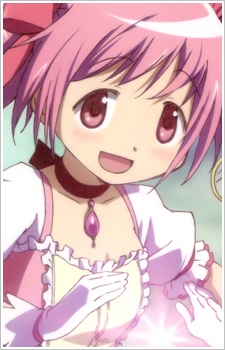
Madoka Kaname is the emotional center of the anime. She is compassionate, observant, and deeply affected by the suffering of others. Rather than rushing into action, she spends much of the story trying to understand what it really means to make a life-changing choice. That hesitation is not weakness. It is one of the reasons her role feels so memorable, because every decision around her carries genuine weight.

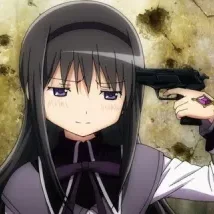
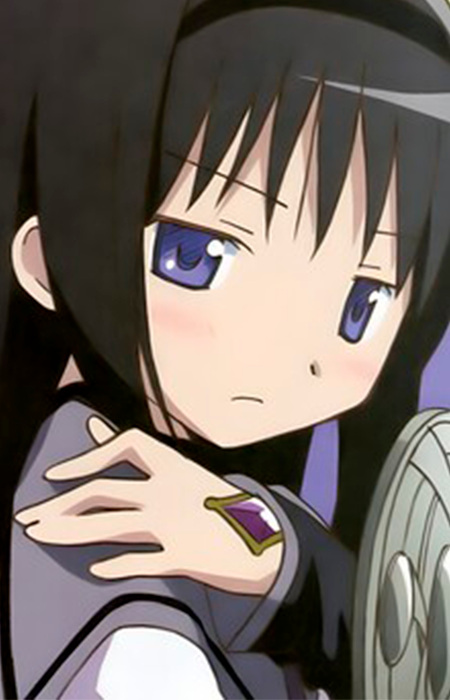
Homura Akemi enters the story as a distant and unsettling presence. Calm, intelligent, and secretive, she tries to keep Madoka away from Kyubey and the world of magical girls. As the plot advances, Homura becomes one of the most compelling Madoka Magica characters, with her silence, determination, and emotional restraint pointing toward a much deeper personal history.

Sayaka Miki represents one of the series’ clearest tragedies. Idealistic and brave, she wants to do something good with her wish, but her strong sense of justice leaves her vulnerable to disappointment, isolation, and despair. Her arc gives Madoka Magica much of its emotional sharpness and shows how cruelly the world can punish sincerity.

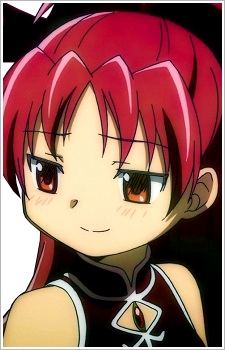
Mami Tomoe leaves a lasting impression despite her limited time in the spotlight. She embodies the refined image of a magical girl, carrying herself with confidence and grace, yet beneath that composure lies loneliness and fear. Kyoko Sakura, by contrast, arrives with a harder edge. Practical, confrontational, and initially self-serving, she gradually reveals a more complicated inner life. Together, these girls make the cast feel varied, human, and painfully fragile.

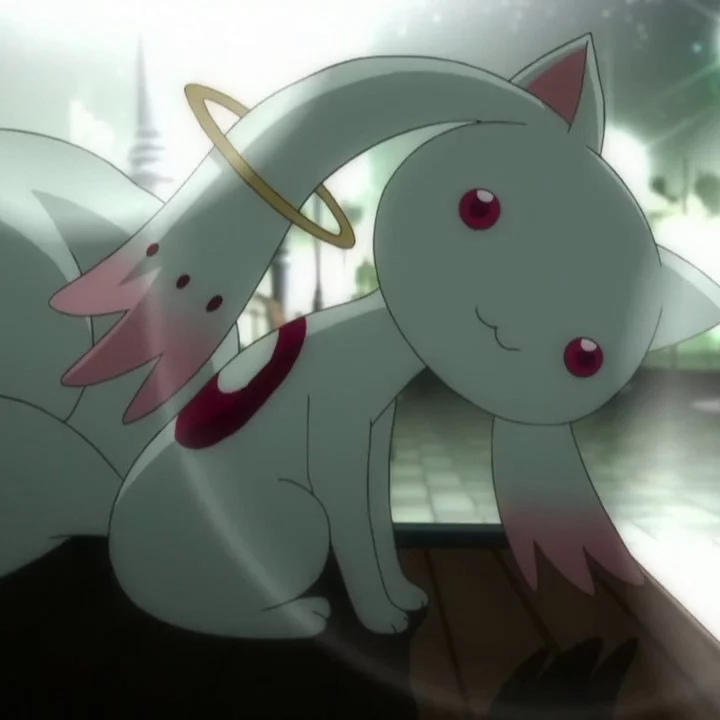
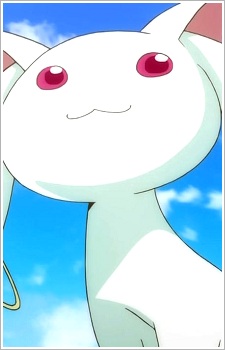
Kyubey remains one of the defining figures in the series. Rather than acting as a comforting mascot, Kyubey presents wishes and contracts with chilling detachment. The character’s calm logic and lack of empathy help define the moral tension of the anime.

Madoka Magica Themes and Style

Madoka Magica is often discussed as a dark magical girl series, but its strength goes far beyond shock value. The anime explores the cost of desire, the burden of hope, the nature of self-sacrifice, and the cruelty of systems that treat human pain as useful fuel. Wishes are not simple rewards here. They are bargains that expose insecurity, longing, guilt, and love.

One of the series’ greatest achievements is the way it uses contrast. The character designs are gentle and rounded, giving Madoka, Homura, Sayaka, and Mami an immediate sense of innocence. Against that softness, the battles and revelations feel even harsher. The witches’ labyrinths are especially distinctive, turning combat spaces into surreal collages full of symbols, fragmented textures, and unnerving visual metaphors.

This visual language gives Madoka Magica anime a dreamlike quality even when it is at its most brutal. The city feels clean and modern, yet emotionally distant. Interiors often look spacious and cold, which subtly reinforces the characters’ loneliness. Music also plays a major role in shaping the atmosphere, shifting from fragile beauty to ominous intensity with remarkable ease.

Thematically, the series is deeply concerned with time, consequence, and the emotional limits of devotion. Love in Madoka Magica is not always comforting. It can become obsessive, self-destructive, or world-altering. That complexity is one reason the series continues to invite discussion years after its release.

Madoka Magica Worldbuilding and Setting

The world of Madoka Magica is built around rules that seem simple at first and then grow steadily more disturbing. Magical girls are granted a miracle through their wish, but in return they must fight witches and collect grief seeds to sustain themselves. What initially looks like a hidden battle between good and evil gradually becomes a closed cycle driven by suffering, entropy, and exploitation.

The setting blends ordinary student life with a highly stylized supernatural layer. Madoka and her friends attend school, spend time with family, and move through a recognizable urban environment, but that normality is always at risk of being shattered. When witches appear, reality itself seems to rupture. The shift into labyrinth spaces creates a sense that terror is always waiting just beneath the surface of everyday life.

This structure is one of the reasons the anime feels so effective. Madoka Magica does not rely on a sprawling fantasy map or long exposition. Instead, it reveals its world through experience, pressure, and emotional fallout. Every rule matters because every rule eventually hurts someone.

Madoka Magica Popularity and Impact

Madoka Magica earned lasting acclaim because it did more than subvert expectations. It showed how an original anime could be carefully paced, visually distinctive, and emotionally severe without losing accessibility. The series drew in long-time anime viewers as well as audiences who had never paid much attention to the magical girl genre before.

Its influence can be seen in the way later series approached darker material, moral ambiguity, and symbolic visual storytelling. At the same time, Madoka Magica remained difficult to imitate because its success depended on discipline as much as surprise. The writing, direction, music, and visual design all work together with unusual precision.

The franchise also expanded well beyond the television series through compilation films, sequel material, games, manga, collaborations, and a wide range of collectibles. Even years after the original broadcast, Madoka Kaname, Homura Akemi, Sayaka Miki, Mami Tomoe, and Kyoko Sakura continue to hold a strong place in anime merchandise lines and collector demand.

Madoka Magica Figures and Merchandise

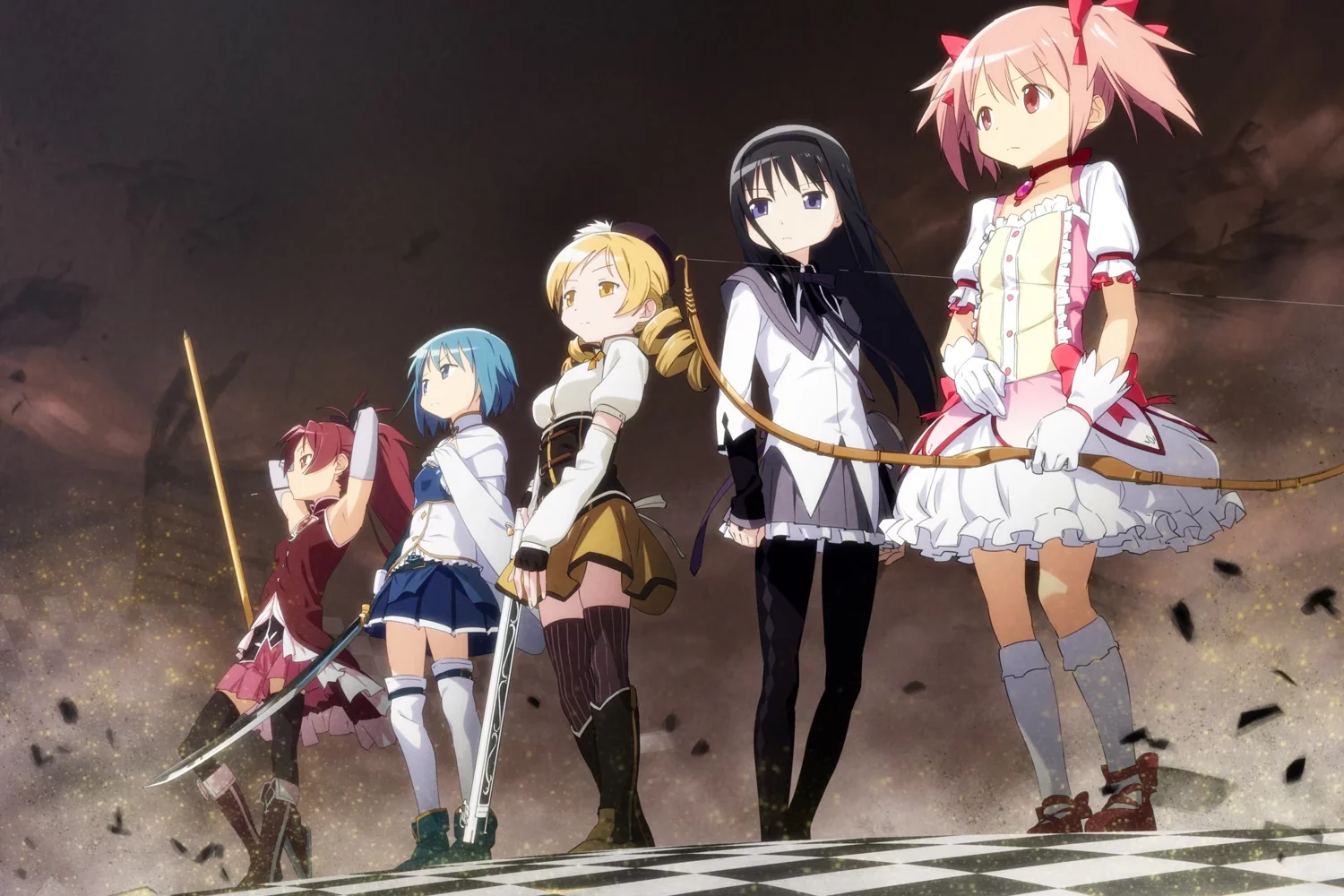
Madoka Magica figures remain one of the most appealing ways to collect the series because each main character has such a distinct silhouette, costume design, and emotional identity. Madoka Kaname’s ribbons and soft pink palette, Homura Akemi’s cool precision, Sayaka Miki’s blue knight-like styling, and Mami Tomoe’s elegant yellow design all translate beautifully into display pieces.

Collectors can find Madoka Magica figures in several formats, depending on display preference and budget. Nendoroids are especially popular for the series because they capture the contrast between the cast’s cute designs and the darker tone of the story. Scale figures bring out the costume details, weapons, and dramatic posing with greater presence. Pop Up Parade releases offer a clean and approachable middle ground, while prize figures make the series more accessible for casual collectors who still want recognizable character styling.

Beyond figures, Madoka Magica merchandise often includes acrylic stands, plush items, keychains, art goods, apparel, and collaboration products tied to films and anniversary campaigns. Homura and Madoka are often the most represented characters, but Sayaka, Mami, and Kyoko also appear regularly in strong lineups, especially when a collection emphasizes the full main cast.

Browse the full Madoka Magica figure collection at Online Otaku, from Nendoroids to scale figures, sorted by character.
Madoka Magica Madoka Magica