Mushoku Tensei figures

無職転生 ~異世界行ったら本気だす~

8.33 finished_airing 11 episodes tv 2021 - 2021
Studio: Studio Bind
Adventure Drama Ecchi Fantasy Isekai Reincarnation

About Mushoku Tensei

Mushoku Tensei Anime Overview

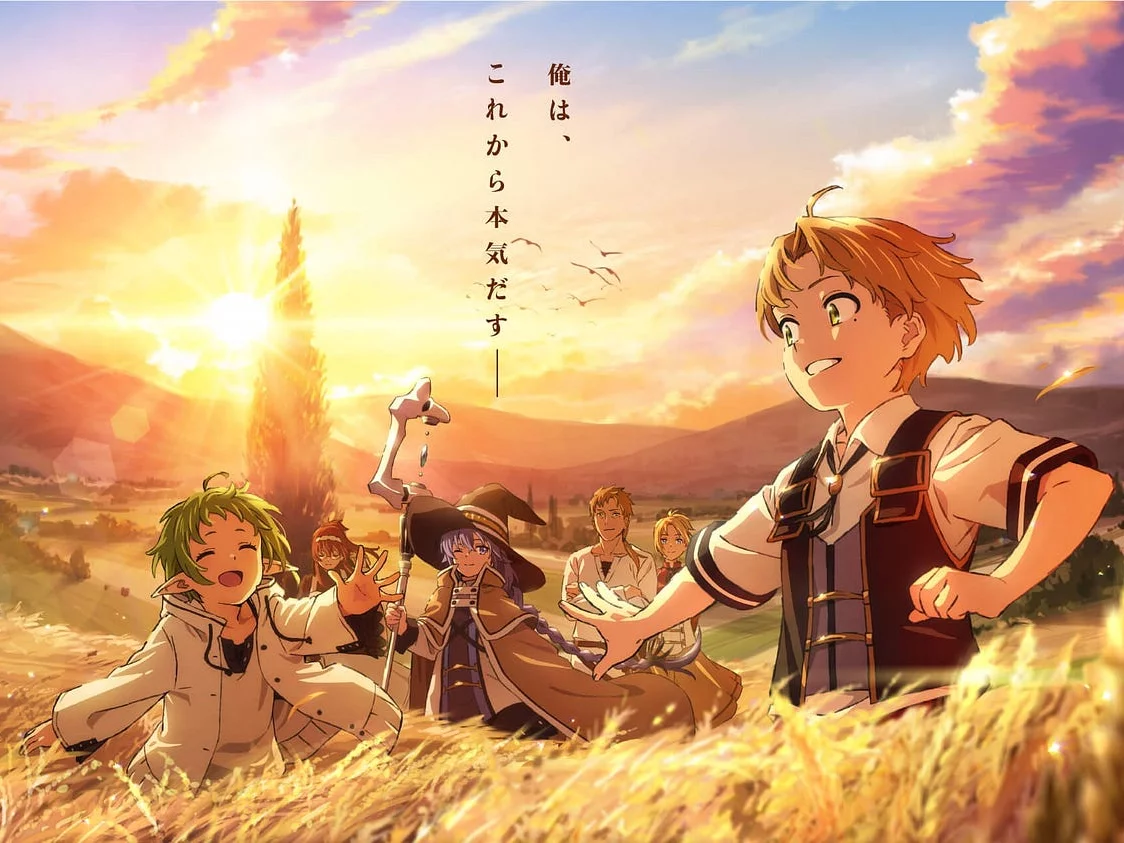
Mushoku Tensei is one of the defining fantasy isekai series of its generation, combining personal redemption, layered worldbuilding, and a long-form coming-of-age narrative. For visitors browsing Mushoku Tensei figures, the appeal often begins with the anime’s memorable cast, but the series stands out just as strongly for the emotional weight behind its story. At the center is Rudeus Greyrat, a man who dies carrying the regrets of a wasted life and is reborn in a magical world where he decides to live seriously from the very beginning.

The franchise began as a light novel series written by Rifujin na Magonote and later expanded into manga, games, and a widely discussed anime adaptation. The Mushoku Tensei anime gained attention for its careful pacing, rich backgrounds, and the way it lets its characters grow over time rather than rushing through major milestones. Instead of presenting reincarnation as a simple power fantasy, the story treats it as a second chance shaped by memory, guilt, ambition, and human weakness.

That balance is part of what makes the series distinctive. Mushoku Tensei can be adventurous, funny, tense, and deeply uncomfortable at different moments, but it is rarely shallow. It follows childhood, travel, separation, trauma, study, family ties, and maturity with unusual patience. As a result, the world feels lived in, and the characters feel shaped by time rather than by plot convenience alone.

Mushoku Tensei Story and Characters

Mushoku Tensei begins with an unnamed shut-in from modern Japan whose life ends suddenly before he can correct any of his failures. He is reborn as Rudeus Greyrat in a world of magic and swords, keeping his memories from his previous life. From infancy onward, he realizes that this new life gives him an opportunity he never truly had the courage to seize before. That idea drives the story: not perfection, but the determination to move forward and take responsibility for one’s life.

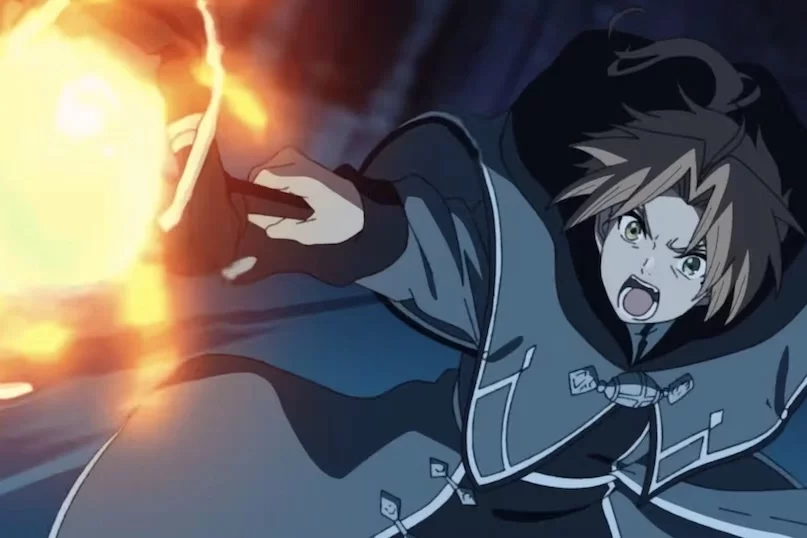
Mushoku Tensei Rudeus Greyrat

Rudeus is the emotional core of the series. He is gifted, observant, and unusually mature in some situations because of the memories he carries, yet he is also selfish, awkward, and often forced to confront parts of himself he would rather avoid. His growth is not presented as a straight line. The story repeatedly shows that talent alone does not make him admirable; what matters is whether he learns, reflects, and changes. That complexity is one of the main reasons Mushoku Tensei characters remain so widely discussed.

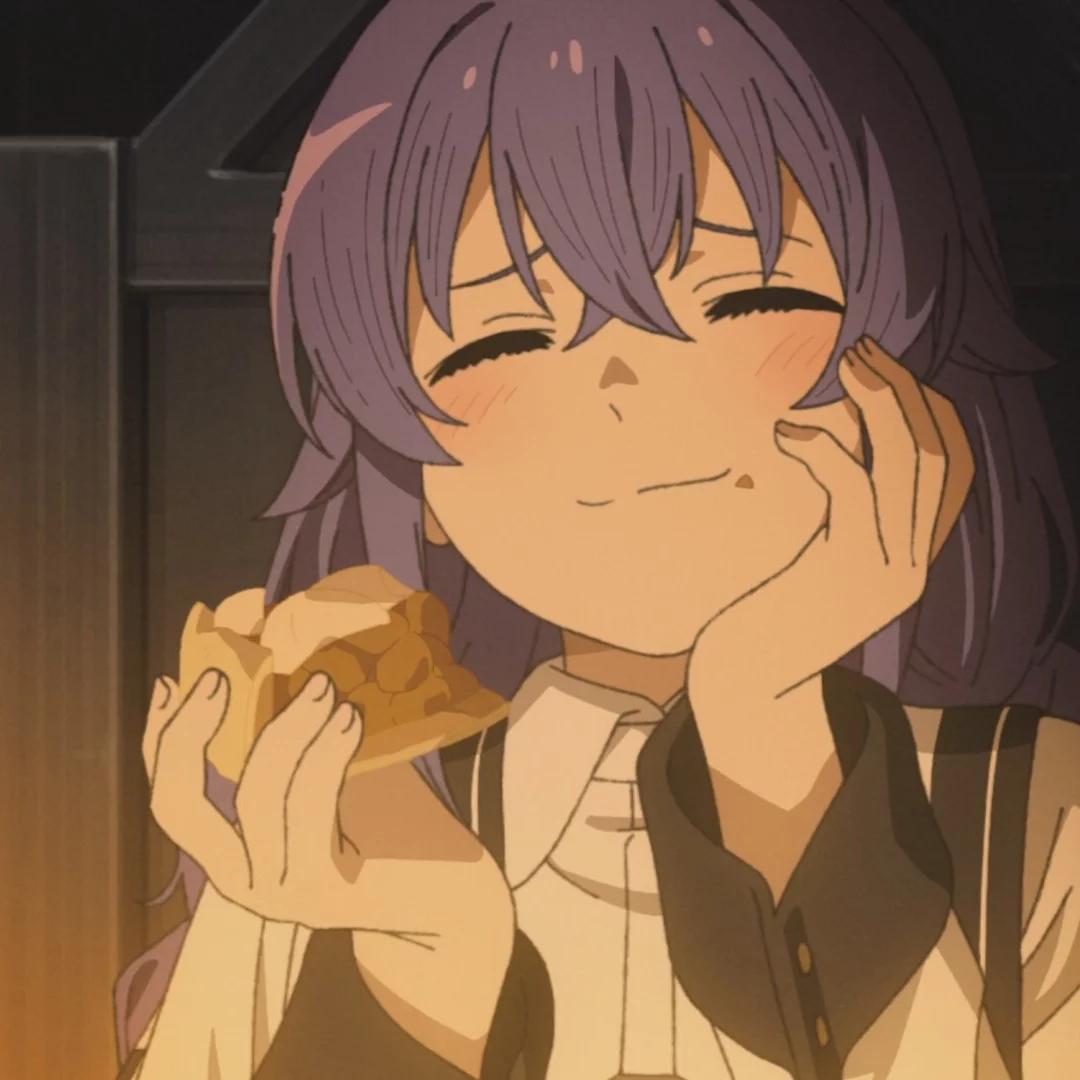
Mushoku Tensei Roxy Migurdia

Roxy is Rudeus’s first magic tutor and one of the most important figures in his early development. Calm, intelligent, and quietly compassionate, she helps unlock his fascination with magic while also giving structure to his childhood. Her presence in the story reaches beyond her screen time because she represents discovery, discipline, and the first real opening of Rudeus’s world. Roxy is also one of the most recognizable faces in Mushoku Tensei merchandise, especially in anime figures and scale figure releases.

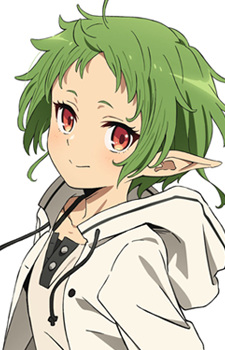
Mushoku Tensei Sylphiette

Sylphiette brings a gentler emotional tone to the series. Her bond with Rudeus begins in childhood and grows out of trust, comfort, and mutual support. While she first appears shy, her role becomes much more significant as the story progresses. She is closely tied to some of the most personal and transformative moments in the narrative, especially as the series shifts from childhood adventure into young adulthood and domestic change.

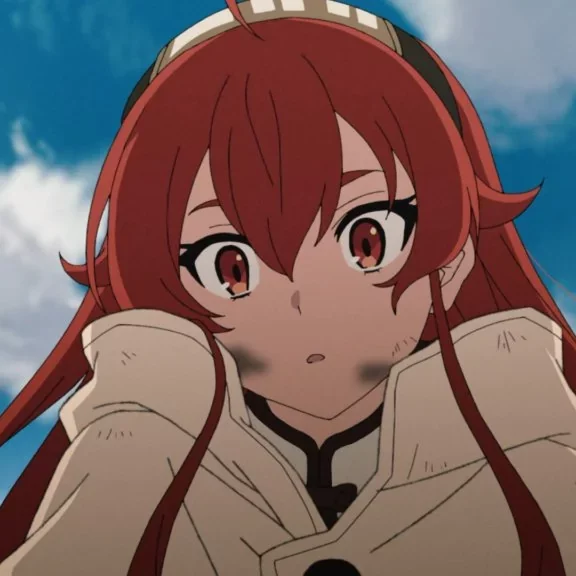
Mushoku Tensei Eris Boreas Greyrat

Eris introduces a very different energy. Proud, impulsive, fierce, and emotionally direct, she pushes Rudeus into situations where knowledge alone is not enough. Their dynamic is shaped by conflict, training, travel, and genuine attachment. Eris is central to some of the most dramatic turns in the series, and her combination of aristocratic image and warrior spirit has made her one of the standout Mushoku Tensei characters for collectors and anime viewers alike.

Beyond the core trio, the series gains depth through characters such as Paul Greyrat, Zenith Greyrat, Ruijerd Superdia, and others encountered across the continents. Parents, teachers, adventurers, nobles, and warriors all leave a lasting mark. This broader cast gives Mushoku Tensei a rare sense of continuity, where relationships formed early can echo much later in the story.

Mushoku Tensei Worldbuilding and Setting

One of the great strengths of Mushoku Tensei is the scale and structure of its world. The setting is not a vague fantasy backdrop but a fully developed environment shaped by geography, travel, race, politics, magic systems, and cultural difference. Regions feel distinct, and long-distance movement matters. A journey changes people because the world around them is large enough to resist easy solutions.

The series moves through villages, noble territories, academies, dangerous roads, and distant lands with different customs and dangers. This geographical range gives the story momentum, but it also supports the emotional arc. Home, exile, reunion, and displacement all carry real meaning because the world has boundaries, distance, and consequence. Even viewers who first arrive through the Mushoku Tensei anime often come away remembering not just individual scenes, but entire regions and the atmosphere attached to them.

The magical side of the setting is equally important. Magic is studied, practiced, and refined rather than treated as a vague miracle. Sword styles, battle experience, magical aptitude, and racial history all help define the balance of power. That structure gives battles more weight and allows characters to improve in believable ways.

Mushoku Tensei Themes and Style

At its heart, Mushoku Tensei is about regret and effort. Reincarnation gives the protagonist another life, but it does not erase who he was. The series keeps returning to the question of whether a person can truly change when given a second chance. That theme is explored through family conflict, loneliness, emotional dependence, ambition, and the painful process of becoming someone more reliable than before.

Another major theme is growth across stages of life. Many fantasy stories focus on a single quest, but Mushoku Tensei is more interested in progression through childhood, adolescence, and adulthood. Lessons learned in one arc reappear later in altered form. A teacher becomes a memory, a childhood friend becomes part of a more mature bond, and personal failure leaves scars that are not quickly erased.

Stylistically, the anime adaptation is known for lush scenery, expressive character acting, and a cinematic sense of travel. Quiet scenes often matter as much as dramatic ones. Instead of racing from battle to battle, the series allows conversations, seasons, and ordinary routines to create emotional texture. That slower rhythm helps the emotional highs land with greater force.

Mushoku Tensei Animation and Production

The Mushoku Tensei anime adaptation earned a strong reputation for visual consistency and environmental detail. Its landscapes feel expansive, interiors have warmth and personality, and action scenes tend to emphasize movement and impact without losing clarity. This production approach suits the series especially well because the story depends on atmosphere as much as spectacle.

Character acting is another strength. Rudeus’s growth is reflected not only in dialogue but in posture, reaction, and pacing. Important emotional beats are often carried through silence, hesitation, or the contrast between inner thought and outward behavior. This attention to performance helps the series handle both intimate character moments and larger fantasy scenes with equal care.

The adaptation also understands the importance of place. Open roads, unfamiliar towns, magical landscapes, and domestic interiors are all given room to breathe. That sense of lived space supports the broader identity of Mushoku Tensei as a journey across a full world rather than a sequence of disconnected plot points.

Mushoku Tensei Popularity and Impact

Mushoku Tensei has had a significant impact on the modern isekai landscape. It is often discussed as one of the foundational works of the genre’s boom in web novels and light novels, and its later anime adaptation helped introduce that influence to an even wider audience. The series is frequently praised for the ambition of its long-form storytelling, the depth of its setting, and the seriousness with which it treats personal growth.

Its reputation is not based on simplicity. Mushoku Tensei is a series that invites debate because it gives its protagonist real flaws and allows uncomfortable material to remain part of the story rather than sanding everything down into easy heroism. For many viewers, that willingness to remain messy is exactly what gives the narrative its weight. The series feels less like a clean fantasy ideal and more like a difficult, uneven attempt at becoming better.

That combination of influence, controversy, and emotional range has kept the franchise highly visible across light novel readers, anime audiences, and collectors. It also helps explain why Mushoku Tensei characters continue to receive attention in discussions about the genre’s most memorable leads and supporting cast.

Mushoku Tensei Figures and Merchandise

Mushoku Tensei figures and merchandise reflect the series’ strong character appeal and varied visual identity. Rudeus, Roxy, Eris, and Sylphiette are the names most collectors look for first, and each lends itself to a different kind of release. Roxy often appears in elegant scale figures that highlight her signature hat, staff, and composed expression. Eris suits more dynamic poses that emphasize motion, confidence, and sword-focused energy. Sylphiette is especially striking in softer, refined designs, while Rudeus tends to appear in pieces that draw on his magical talent or specific story arcs.

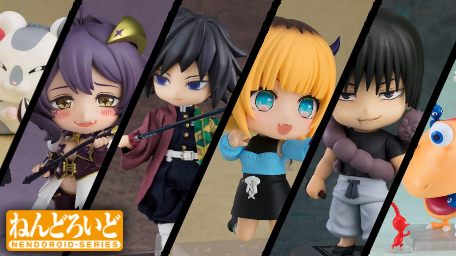
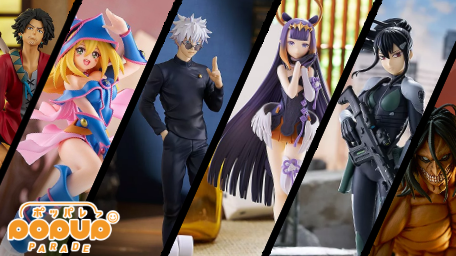
The line-up across anime collectibles is broad enough to suit different shelves and budgets. Nendoroids capture the cast in a more playful style while still preserving recognizable costume details. Pop Up Parade figures offer accessible display options with clean character presentation. Prize figures bring popular Mushoku Tensei characters to a wider audience, while higher-end scale figures focus on sculpting, pose work, and elaborate finishing. Together, these formats make the franchise especially rewarding for collectors who want either a single favorite character or a more complete display.

Beyond figures, Mushoku Tensei merchandise also extends into acrylics, keychains, art goods, and other character items, but anime figures remain the centerpiece for many fans because the series’ costumes, magic effects, and expressions translate so well into three-dimensional form.

Browse the full Mushoku Tensei figure collection at Online Otaku, from Nendoroids to scale figures, sorted by character.
Created by: Rifujin na Magonote (Story), Sirotaka (Art)
Published by: Seven Seas Entertainment
Year started: 2014
Mushoku Tensei Mushoku Tensei