Takopi's Original Sin figures

タコピーの原罪

8.76 finished_airing 6 episodes ona 2025 - 2025
Studio: Enishiya
Drama Psychological Sci-Fi Shounen Time Travel

About Takopi's Original Sin

Takopi's Original Sin Anime Overview

Takopi's Original Sin figures stand out because the series itself leaves such a powerful impression. The Takopi's Original Sin anime is not built around spectacle alone, but around emotional shock, fragile hope, and the painful distance between innocence and reality. At first glance, the story presents a cheerful alien arriving on Earth with a mission to spread happiness. Almost immediately, that bright setup collapses into something far more unsettling, turning the series into a compact but unforgettable psychological drama with science-fiction elements.

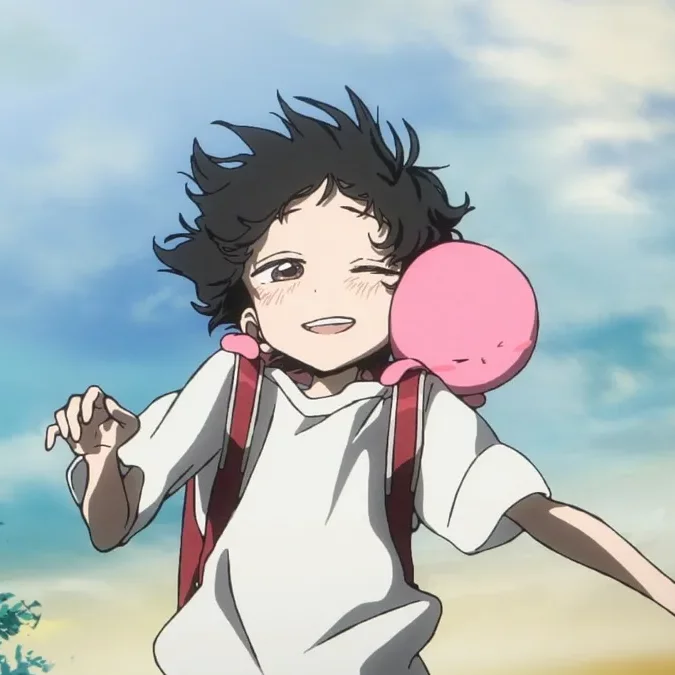
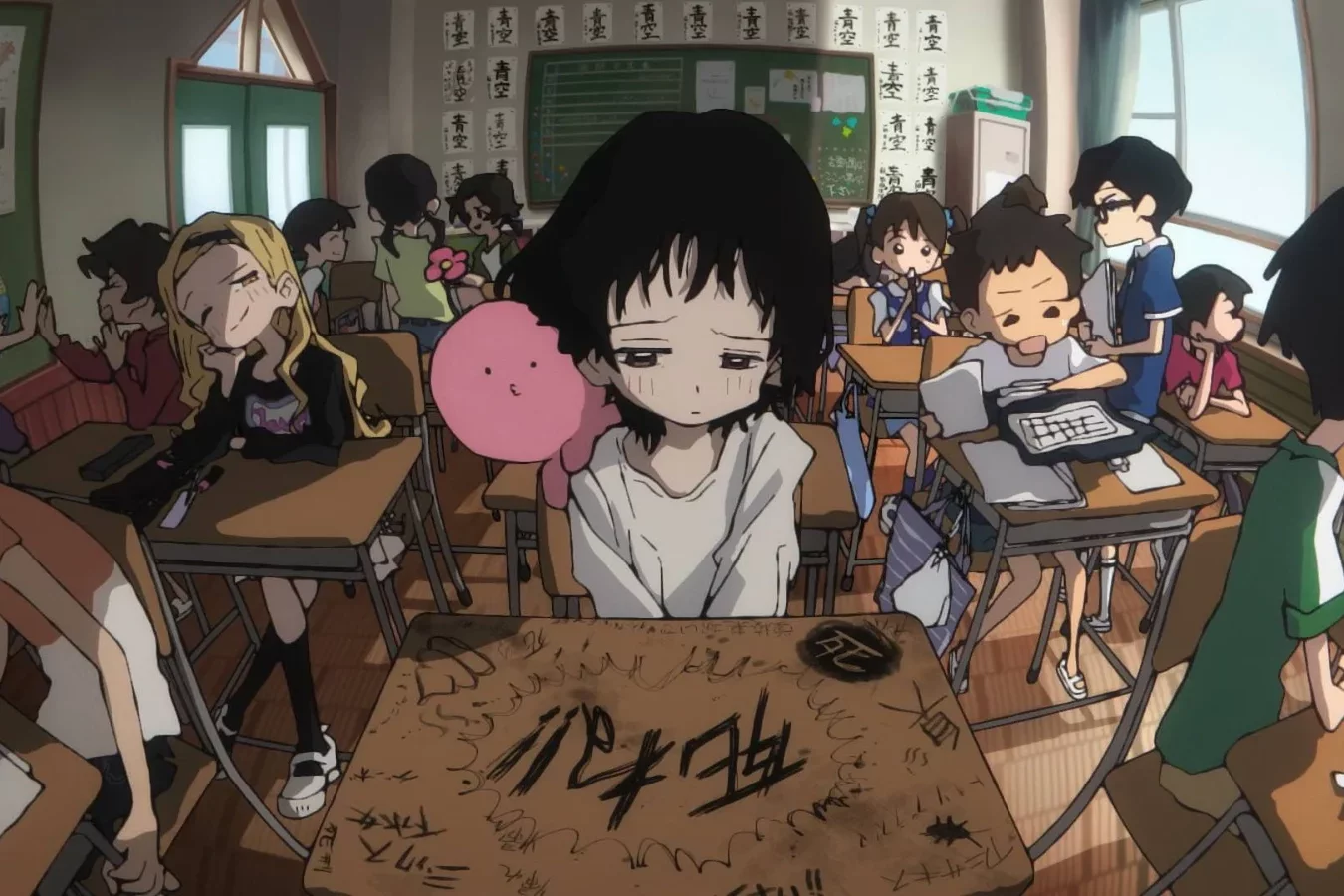
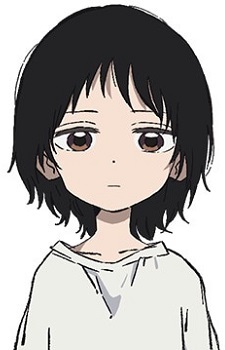
The story follows Takopi, a small octopus-like being from Happy Planet, who comes to Earth hoping to help people smile. Instead, he encounters Shizuka Kuze, a deeply lonely child whose everyday life is shaped by bullying, neglect, and emotional isolation. From that point onward, the series becomes a devastating examination of how a well-meaning outsider misunderstands human suffering. Takopi has tools, optimism, and sincerity, but he lacks the experience needed to grasp the weight of trauma, resentment, and despair.

That contrast is what gives Takopi's Original Sin anime its distinct identity. It is emotionally direct, visually memorable, and often difficult to watch, yet it never feels empty or sensational. It uses a deceptively simple premise to explore some very painful truths about childhood, guilt, and the desperate desire to fix what should never have happened in the first place.

Takopi's Original Sin Story and Characters

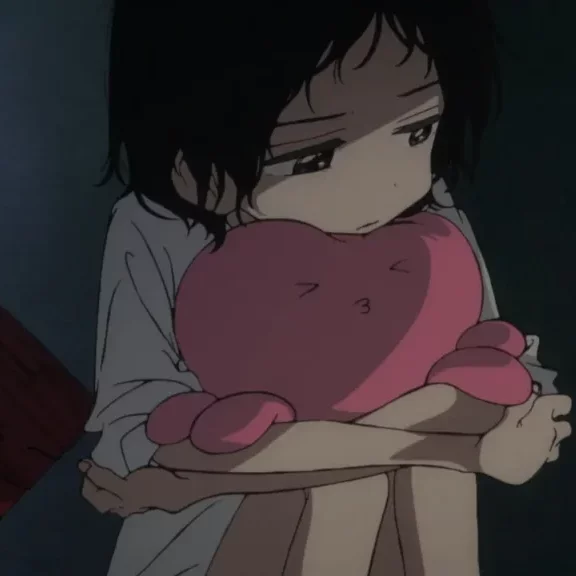
The emotional center of the series is the relationship between Takopi and Shizuka. Takopi arrives with a naive belief that sadness can be solved if someone simply tries hard enough to help. Shizuka, by contrast, lives in a world where that kind of optimism feels impossibly distant. She is quiet, exhausted, and emotionally cornered, and the bond she forms with her dog Chappy is one of the few things giving her comfort. Takopi wants to save her, but the tragedy of the series lies in how little he understands the systems of pain surrounding her.

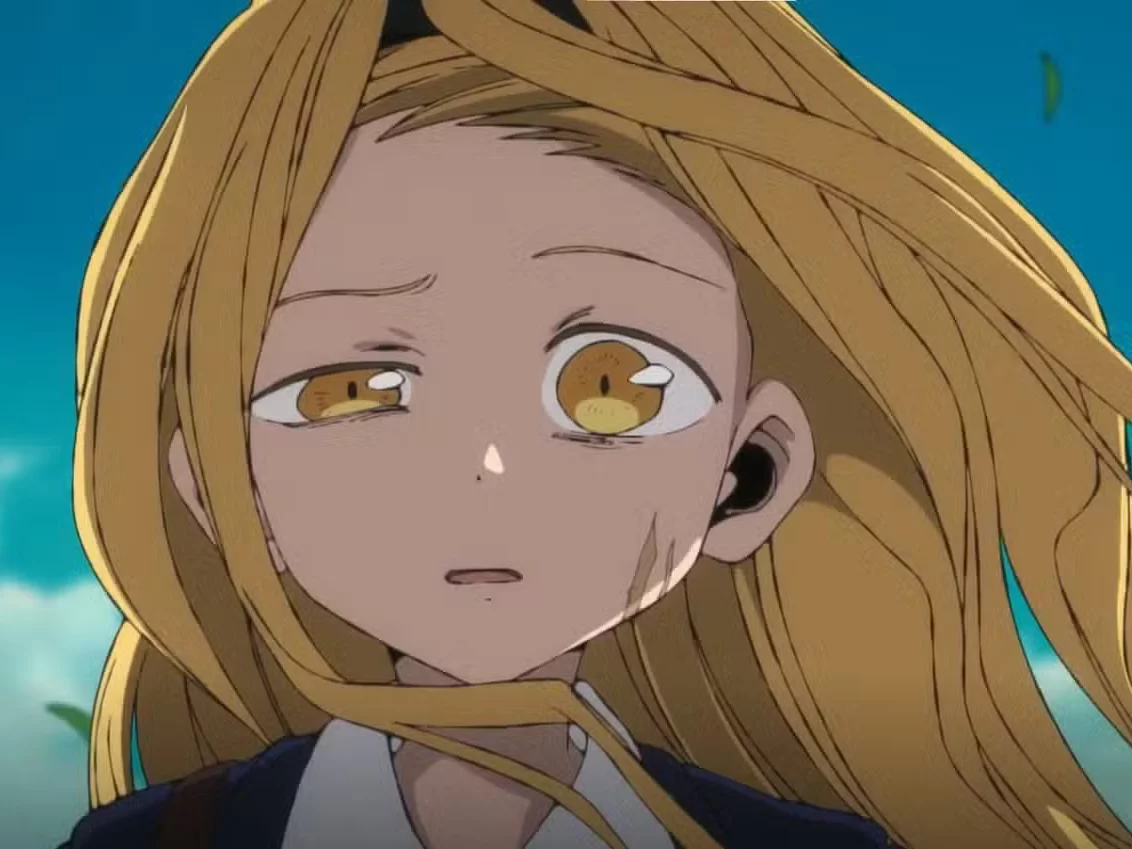
Among the most important Takopi's Original Sin characters is Marina Kirarazaka, whose cruelty toward Shizuka drives much of the early conflict. Marina is not written as a flat villain. Instead, the story gradually reveals how bitterness, family damage, and emotional violence shape her behavior. That does not make her actions less harsh, but it does make the world of the series more uncomfortable and more convincing. The children in Takopi's Original Sin are not placed into neat moral categories. They are damaged, reactive, and often trapped in cycles they do not know how to break.

Naoki Azuma adds another painful layer. He initially appears gentler than the others, but his own pressures, insecurities, and emotional weakness gradually become central to the story. Through Naoki, the series shows how passivity can also become destructive, especially when fear and self-preservation begin to outweigh empathy. He is one of the clearest examples of how Takopi's Original Sin refuses easy moral comfort.

Takopi himself remains one of the most striking characters in the series precisely because of how sincere he is. He does not act out of malice. He wants happiness, friendship, and rescue. Yet his innocence is dangerously incomplete, and every attempt to help risks making things worse. That makes him far more than a mascot figure. He becomes the lens through which the audience confronts the difference between wanting to save someone and truly understanding what they need.

Takopi's Original Sin Setting and Narrative Structure

Takopi's Original Sin uses a very grounded setting to make its emotional impact even stronger. The world is not a grand fantasy realm or a distant science-fiction battlefield. It is an ordinary contemporary environment of apartments, schools, sidewalks, and family homes. That familiarity is important. The horror of the series comes not from monsters in the dark, but from the cruelty, neglect, and emotional abandonment hidden inside everyday life.

The science-fiction element enters through Takopi’s Happy Gadgets, especially the devices tied to memory, repetition, and altered outcomes. Rather than turning the story into a puzzle-box adventure, these tools deepen its emotional stakes. The possibility of reversal raises a painful question at the heart of the series: can tragedy really be undone, or do attempts to correct suffering simply expose more of what was already broken?

This structure allows the narrative to move in loops, revelations, and shifts in perspective without losing its intimacy. The story remains tightly focused on a small group of children and the emotional damage shaping their choices. That focus is one reason the series feels so intense. It does not sprawl. It closes in.

Takopi's Original Sin Themes and Style

The central theme of Takopi's Original Sin is the impossibility of simple happiness in a world shaped by neglect and pain. Takopi comes from a place where “making someone happy” sounds like a clear goal. On Earth, he learns that suffering is layered, contradictory, and often inherited. The series is deeply concerned with the limits of innocence. Good intentions matter, but they are not enough. Kindness without understanding can fail just as badly as indifference.

Another major theme is childhood as a site of hidden violence. The series is especially unsettling because it presents young characters who are already carrying emotional burdens far beyond what they should have to endure. The story does not romanticize that pain. Instead, it shows how children absorb cruelty from adults, from family systems, and from each other, then reproduce it in ways they can barely understand themselves.

Stylistically, the contrast between Takopi’s soft, rounded design and the bleak emotional world around him is essential. The series uses that visual dissonance with remarkable confidence. Takopi looks like he belongs in something harmless and comforting, which makes every darker turn land harder. That same contrast shapes the tone of the anime adaptation. It can appear bright and approachable for a moment, only to shift into dread, grief, or emotional collapse without warning.

Takopi's Original Sin Animation and Production

The anime adaptation works because it understands restraint. Takopi's Original Sin does not need constant visual excess to make an impact. Instead, it relies on atmosphere, facial expression, silence, and sudden tonal fracture. When the story becomes disturbing, the effect comes as much from emotional framing as from the events themselves. The anime’s pacing helps preserve that discomfort by refusing to soften the material into something easier or more sentimental than it should be.

Character acting is especially important here. Small expressions, hesitation, emotional distance, and abrupt shifts in mood all carry enormous weight in a story where so much suffering is internalized. The compact six-episode format also suits the material well, giving the anime a concentrated intensity rather than stretching it beyond its emotional strength.

The production identity of the anime is also strengthened by its music. The opening song, “Happy Lucky Chappy,” performed by the Japanese artist Ano, creates an intentionally striking contrast with the series itself. Its bright title and playful energy echo Takopi’s original mission, while also making the emotional darkness of the story feel even sharper by comparison.

Takopi's Original Sin Popularity and Impact

Takopi's Original Sin gained attention because it did something difficult very well. It took a short format, a visually simple protagonist, and a compact cast, then built a story that felt emotionally overwhelming without becoming shapeless. Readers and viewers responded strongly to that contrast. The series is unsettling, but it is also precise. It knows exactly where its emotional pressure points are.

Part of its impact comes from how quickly it established a clear identity. Many dark series rely on scale, mythology, or prolonged escalation. Takopi's Original Sin is more intimate than that. Its pain is personal, immediate, and rooted in the ordinary. That makes it memorable in a very different way. The story does not ask the audience to fear a distant apocalypse. It asks them to sit with damage that already exists in plain sight.

The series has also left a strong impression because its characters are difficult to forget. Takopi, Shizuka, Marina, and Naoki are not designed as easy companions. They are emotionally abrasive, fragile, and often tragic. Yet that is exactly why the series lingers. It presents suffering not as abstraction, but as something lived in small gestures, failed choices, and desperate attempts to reach another person.

Takopi's Original Sin Figures and Merchandise

Takopi's Original Sin figures have a very distinctive appeal because the series combines a deceptively cute central design with emotionally intense storytelling. Takopi is the most obvious candidate for anime figures thanks to his instantly recognizable shape, expressive face, and strong visual identity. A well-made Takopi figure can work in several directions at once, from a softer display piece that highlights his mascot-like appearance to a more dramatic collectible that reflects the emotional weight of the series.

Shizuka Kuze, Marina Kirarazaka, and Naoki Azuma also offer strong potential for character-based merchandise, especially when paired with Takopi in scene-inspired displays. Nendoroids could capture the contrast between innocence and tension particularly well, while scale figures could focus more on atmosphere, subtle expression, and carefully staged compositions. Pop Up Parade releases and prize figures would also suit the series, especially for collectors looking for more accessible ways to display Takopi's Original Sin characters. Beyond figures, acrylic stands, art prints, keychains, and other collectibles would fit naturally with the title’s visual identity.

Because the series is so emotionally specific, Takopi's Original Sin merchandise works best when it respects that tonal contrast. Takopi may be visually adorable, but the story around him is anything but light, and that tension is exactly what makes the series memorable.

Browse the full Takopi's Original Sin figure collection at Online Otaku, from Nendoroids to scale figures, sorted by character.
Created by: Taizan 5
Published by: VIZ Media
Year started: 2021
Takopi's Original Sin Takopi's Original Sin
Sources

Shop Takopi's Original Sin products