In addition, of course, we have much more to offer. Looking for a specific brand? Look no further!
Top anime figure brands
Top Hentai figure brands
Top other merchandise brands
In addition, of course, we have much more to offer. Looking for a specific brand? Look no further!
Top series
Top series
Top series
In addition, of course, we have much more to offer. Looking for a specific series? Look no further!
Manjirou Sano figures capture one of the most recognizable characters in Tokyo Revengers, a series built around gang rivalry, loyalty, and the weight of choices made too early in life. Better known as Mikey, Manjirou Sano is a founding member and leader of the Tokyo Manji Gang, and his presence shapes the story from its earliest turning points onward. His reputation as “Invincible Mikey” immediately places him above most of the cast in terms of influence and fearlessness.
What makes Mikey especially effective as a character is that he never reads as just a gang leader with a cool design. He can seem relaxed, playful, or even childlike in ordinary moments, but the series steadily reveals a much heavier emotional core beneath that surface. Tokyo Revengers uses him as both a symbol of charisma and a source of instability, which gives Manjirou Sano merchandise a very different kind of appeal from characters who are simply heroic or simply dangerous.
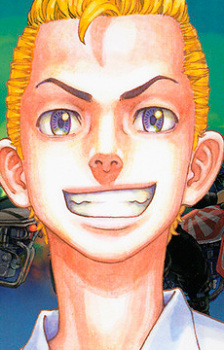
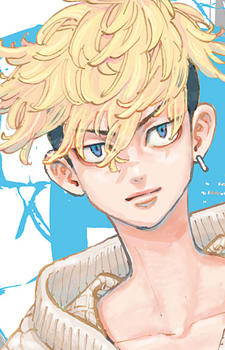
Mikey’s appearance is simple, but that simplicity is a large part of why it works so well. He is shorter than many of the fighters around him, with piercing dark eyes and long blond hair tied only at the top, leaving the sides loose. That hairstyle became one of his defining visual traits, especially when paired with the relaxed but self-assured way he carries himself. Even before the story fully explains his strength, his design gives the impression that he is someone who does not need to force attention to control a room.
His Toman uniform is just as important to his image. Tokyo Revengers relies heavily on silhouette and posture, and Mikey’s long coat, loose stance, and calm expression make him visually distinct without overcomplicating the design. In later timelines, his appearance shifts in ways that reflect the darker direction of his life, but the core elements remain recognizable. That consistency is one reason an anime figure of Manjirou Sano translates so naturally into display form.
Mikey’s personality is built on contradiction. In lighter moments, he can be carefree, mischievous, and unexpectedly childish. He teases friends, speaks casually, and often seems untouched by the pressure that surrounds him. That softness is not fake; it is one of the reasons people are drawn to him so easily. He creates loyalty not only through strength, but through the sense that being near him means belonging to something larger than yourself.
At the same time, Tokyo Revengers makes it clear that Mikey’s emotional balance is fragile. Loss affects him deeply, and he has a dangerous tendency to bury grief until it turns into violence or detachment. He is capable of intense care for the people closest to him, but that same intensity can become destructive when he is left alone with guilt, rage, or emptiness. This tension is central to his character. Mikey is not memorable because he is always composed; he is memorable because the series keeps showing how difficult it is for him to hold himself together.
That emotional complexity also explains why he feels different from other gang leaders in the series. He is not simply the strongest or the coolest. He is someone the story keeps circling back to because his choices affect everyone around him. Even when he is not at the center of a scene, other characters often act in response to what he represents, what he has lost, or what they hope he can still become.
Mikey does not rely on supernatural abilities. His strength comes from exceptional fighting talent, speed, and explosive striking power. The Tokyo Revengers Wiki describes his kicks as his most feared weapon, noting that he favors them over punches because they deal greater damage and offset his height disadvantage. That detail matters because it defines his combat identity very clearly. Mikey is not a technical fighter in a decorative sense; he is devastating because he ends fights with sudden, overwhelming force.
His reputation as “Invincible Mikey” is not just a nickname for style. It reflects the way other characters respond to him in combat and the near-mythic status he holds among delinquents in the series. Because Tokyo Revengers is grounded in street fights rather than fantasy power systems, Mikey’s dominance has to be communicated through impact, timing, and fear. His presence in battle often changes the tone of an entire confrontation before he even throws a strike.
Another important part of his strength is leadership under pressure. Mikey is able to command loyalty from large groups, hold authority over strong personalities, and inspire absolute trust in people like Draken and the rest of Toman. That leadership is not separate from his combat ability; in Tokyo Revengers, the two are closely linked. He leads because he is strong, but his strength matters more because others are willing to follow him.
Mikey is one of the central forces driving Tokyo Revengers, because so many timelines depend on whether he is supported, isolated, or pushed toward darkness. Takemichi’s broader struggle is not just about changing one event after another; it is also about reaching Mikey before irreversible damage settles in. That gives Manjirou Sano a story role that goes beyond being a powerful ally or dangerous rival. He is one of the main emotional fault lines of the series.
His family background and close relationships are crucial to that role. The influence of Shinichiro Sano, his bond with Emma, and his long friendship with Draken all shape the way he understands loyalty and loss. When those bonds are damaged or taken away, the story shows how badly Mikey can drift. Tokyo Revengers keeps returning to the idea that strength alone is not enough to save someone who is carrying too much pain in silence.
That is also why Mikey remains compelling across multiple arcs and timelines. He changes depending on what has happened around him, yet still feels like the same person at the core. The series does not flatten him into a single version of heroism or villainy. Instead, it uses his different futures to ask what remains of a person when grief, responsibility, and violence keep pulling in different directions.
Mikey stands out within Tokyo Revengers because he combines a clean, instantly readable design with one of the series’ heaviest emotional arcs. Other characters may be louder, harsher, or more openly theatrical, but Mikey’s effect comes from restraint. His posture, expression, and timing often do more than exaggerated dialogue could. That restraint is part of why he remains so memorable in both character art and Tokyo Revengers figures.
He also has strong figure representation across multiple collectible styles, including Nendoroid releases, Pop Up Parade, and prize figures, which reflects how well his design adapts to different interpretations. Even in stylized formats, the essentials remain intact: the blond hair, the uniform, the composed expression, and the sense of quiet authority. Mikey works because his design does not depend on excess to feel complete.
Manjirou Sano figures work especially well because his design is clear, balanced, and instantly identifiable. His blond half-up hairstyle, dark eyes, gang uniform, and calm stance give figure makers strong visual material without needing elaborate accessories or effects. A Manjirou Sano figure can feel striking through posture alone, whether the sculpt focuses on his composed side as Mikey or the harder edge suggested by his reputation as Toman’s leader.
His existing figure lineup also suits different display preferences. Nendoroid versions emphasize his more playful and expressive side, Pop Up Parade captures his signature standing presence in tokkofuku, and prize figures keep the character accessible in a straightforward display format. That range works well for a character like Mikey because he is recognizable in both stylized and more standard proportions.
For a Tokyo Revengers collection, Mikey is a natural focal point. He pairs easily with Draken, Takemichi, and other Tokyo Manji Gang characters, but he also holds his own as a standalone display piece because the character already carries so much narrative weight in a single pose. Browse the Manjirou Sano collection at Online Otaku.