Uzaki-chan Wants to Hang Out! figures

宇崎ちゃんは遊びたい!

6.96 finished_airing 12 episodes tv 2020 - 2020
Studio: ENGI
Adult Cast Comedy Romantic Subtext

About Uzaki-chan Wants to Hang Out!

Uzaki-chan Wants to Hang Out! Anime Overview

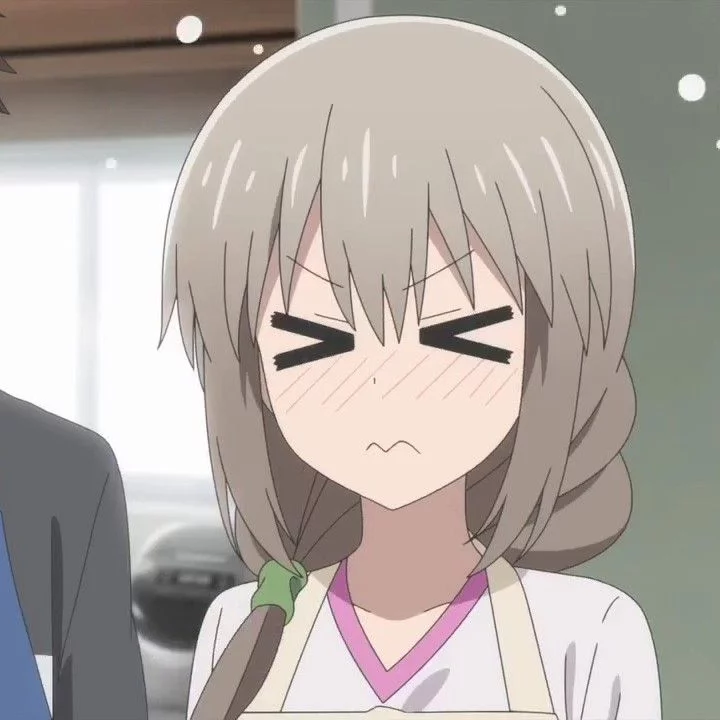
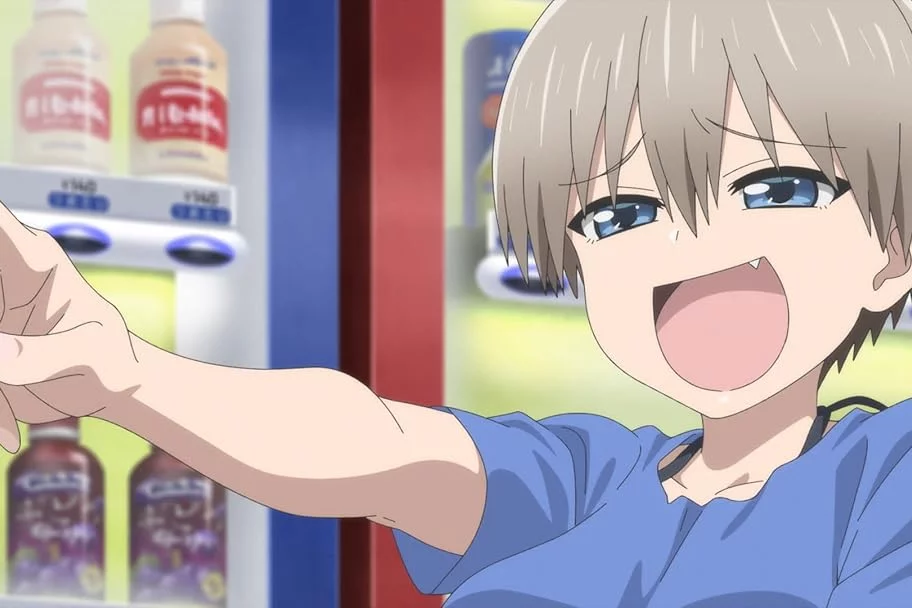
Uzaki-chan Wants to Hang Out! figures capture the playful energy of a romantic comedy that built its identity around teasing, awkward chemistry, and the strange comfort of spending time with the wrong person at exactly the right moment. Uzaki-chan Wants to Hang Out! anime follows college student Shinichi Sakurai, who prefers a quiet life, and Hana Uzaki, an underclassman who refuses to let him stay alone for long. Their daily routine quickly turns into a steady chain of interruptions, arguments, jokes, misunderstandings, and moments of genuine closeness.

What gives the series its appeal is the contrast between its loudest and quietest elements. On the surface, it is a bright, energetic comedy driven by Hana’s constant attempts to drag Shinichi into social situations he would rather avoid. Underneath that, the story is about familiarity, comfort, and the way affection can slowly take shape through repetition. Uzaki-chan Wants to Hang Out! does not rush into grand declarations. It builds its charm through everyday encounters, steadily deepening the connection between its leads.

The anime adapts a modern romantic comedy setup into a university setting, which gives it a slightly different tone from many school-based series. The characters are old enough to have more independence, but still immature enough to misread each other in ways that remain funny and believable. That balance helps the series feel light without becoming empty.

Uzaki-chan Wants to Hang Out! Story and Characters

The story begins with a simple premise: Hana Uzaki notices that Shinichi Sakurai spends most of his time alone and decides that he needs company, whether he agrees or not. From there, the series turns that small setup into a rhythm of shared outings, café shifts, gaming sessions, sports activities, family misunderstandings, and accidental intimacy. Rather than relying on a heavily plotted structure, Uzaki-chan Wants to Hang Out! grows through accumulation. Each encounter adds another layer to the bond between the main characters.

Uzaki-chan Wants to Hang Out! Hana Uzaki

Hana Uzaki is the force that drives the series forward. She is lively, mischievous, competitive, and very aware of how to provoke a reaction. Her teasing can be relentless, but it is rarely empty. The anime gradually makes clear that her attention to Shinichi comes from real affection and a sincere desire to be part of his everyday life. Hana’s role works because she is more than a noisy comic lead. She is emotionally invested long before she fully understands what that means.

Uzaki-chan Wants to Hang Out! Shinichi Sakurai

Shinichi initially appears to be the straight man in the comedy, defined mostly by irritation and deadpan responses. As the story progresses, however, he becomes far more interesting. He is reserved, physically capable, dependable, and often kinder than he seems. His discomfort around Hana is not simple rejection. Much of it comes from confusion, embarrassment, and the gradual realization that his peaceful routine has become tied to her presence. Shinichi works as a lead because he is not transformed overnight. His feelings shift slowly, in ways that suit the tone of the series.

Uzaki-chan Wants to Hang Out! Tsuki Uzaki and the Supporting Cast

Among Uzaki-chan Wants to Hang Out! characters, Tsuki Uzaki stands out for the way she adds another layer of comedy through misinterpretation and gentle awkwardness. Her reactions to Shinichi and Hana often create some of the series’ funniest scenes, but she also gives the family side of the story warmth. Other supporting characters, including Ami Asai, Itsuhito Sakaki, and Hana’s family members, help keep the series lively by pushing, observing, or quietly manipulating the relationship from the outside. They give the main pair space to bounce off different personalities without pulling attention away from the central dynamic.

Uzaki-chan Wants to Hang Out! Setting and Everyday Atmosphere

A major part of the series’ charm comes from its setting. Uzaki-chan Wants to Hang Out! anime is not built around a fantasy world or a dramatic social hierarchy. Instead, it uses familiar places such as the university campus, the café, apartment spaces, sports areas, and ordinary city locations. That ordinary backdrop is important because the series depends on small changes in routine. A lunch break, a shopping trip, or an evening of games can become the center of an episode when the character chemistry is strong enough.

The college setting also helps the anime feel more relaxed than many high school rom-coms. The characters have part-time jobs, personal schedules, and more freedom to move through the city, which allows the story to vary its situations without straining credibility. At the same time, the series keeps a cozy tone. The world of Uzaki-chan Wants to Hang Out! is contemporary and recognizable, designed less to impress than to support the rhythm of recurring encounters.

That everyday atmosphere is one of the reasons the anime remains easy to return to. The appeal is not in wondering how the world works, but in enjoying how the characters behave within it.

Uzaki-chan Wants to Hang Out! Themes and Style

Although the series is best known for comedy, its strongest theme is companionship. Shinichi begins as someone who insists he is content alone, while Hana keeps intruding on that self-image. The anime does not present solitude as a flaw in itself, but it does suggest that isolation can become a habit that hides emotional need. Hana’s constant presence gradually forces Shinichi to admit that being left alone is not the same as being fulfilled.

Another important theme is emotional awkwardness. Both leads struggle to name what they feel, and much of the comedy comes from that gap between behavior and understanding. They are close enough to rely on each other, yet immature enough to deny what that closeness means. Uzaki-chan Wants to Hang Out! handles this through repetition, letting small changes in expression, tone, and initiative carry as much weight as the louder jokes.

Stylistically, the anime favors bright presentation, expressive reactions, and a fast comedic rhythm. Hana’s teasing, Shinichi’s exasperation, and the exaggerated assumptions of the people around them create a lively tempo. Even so, the series knows when to slow down. Some of its better moments are quiet ones, where the joke falls away and the audience is left with a simple sign that these two have become important to each other.

Uzaki-chan Wants to Hang Out! Animation and Production

The anime adaptation succeeds by understanding exactly what kind of material it is working with. Rather than trying to inflate the story into something more dramatic than it needs to be, the production emphasizes timing, facial expression, body language, and comic pacing. That is essential in a series where a raised eyebrow, a delayed reaction, or a sudden misunderstanding can carry an entire scene.

Character animation is especially important for Hana and Shinichi. Their dynamic depends on contrast. Hana needs to feel energetic, intrusive, and constantly in motion, while Shinichi needs to appear grounded, restrained, and increasingly flustered beneath his calm exterior. The visual direction supports that balance well, keeping the humor readable without flattening the characters into one-note caricatures.

The production also benefits from treating the romantic side of the story with patience. It allows the central relationship to breathe instead of forcing artificial turning points too early. That makes the progression feel more natural and gives the softer scenes more impact when they arrive.

Uzaki-chan Wants to Hang Out! Arcs and Relationship Progression

Uzaki-chan Wants to Hang Out! is not a series built around dramatic battles or sharply divided arcs. Its progression is more gradual and relational. Early episodes focus on establishing the basic pattern of Hana interrupting Shinichi’s quiet life, but later material gains strength by showing how that pattern changes. What begins as annoyance becomes expectation. What looks like random teasing becomes a form of attention that neither character can easily replace.

This progression matters because the series depends on subtle shifts. A moment of jealousy, concern, embarrassment, or unspoken dependence can move the relationship forward more effectively than a large plot twist. The anime understands that its central question is not whether these characters can spend time together, but when they will fully recognize how much that time already means.

By letting the relationship advance through ordinary experiences, Uzaki-chan Wants to Hang Out! keeps its tone consistent. The emotional payoff comes from familiarity rather than shock, which suits the series particularly well.

Uzaki-chan Wants to Hang Out! Popularity and Impact

Uzaki-chan Wants to Hang Out! found a strong audience by leaning fully into its own identity. It does not try to present romance as elegant or distant. Instead, it embraces friction, repetition, and shamelessly direct character chemistry. That made the series easy to recognize within modern romantic comedy anime, especially for viewers looking for a story driven by interaction rather than elaborate plot mechanics.

A large part of its impact comes from Hana Uzaki herself. She is visually distinctive, highly expressive, and impossible to separate from the tone of the series. At the same time, the anime would not work without Shinichi’s steadier presence, because the series depends on the tension between provocation and restraint. Their pairing gives Uzaki-chan Wants to Hang Out! characters a clear identity that carries across anime, manga, merchandise, and fan discussion.

The series also helped reinforce the appeal of college-age romantic comedies in anime. By moving away from a high school setting while keeping a playful, accessible structure, it created a tone that feels casual but still character-driven. That has helped it remain memorable within the broader rom-com genre.

Uzaki-chan Wants to Hang Out! Figures and Merchandise

Uzaki-chan Wants to Hang Out! figures translate the series’ playful tone into collectible form with unusual ease. Hana Uzaki is naturally the centerpiece of most releases, but Shinichi Sakurai, Tsuki Uzaki, and other recognizable characters also contribute to the appeal of the merchandise line. Because the anime depends so heavily on expressions, posture, and everyday character presence, it lends itself well to display pieces that capture personality rather than action alone.

Collectors can find Uzaki-chan Wants to Hang Out! figures in several familiar formats. Nendoroids highlight Hana’s teasing energy and expressive face plates in a compact style. Scale figures often focus on detailed costumes, casual poses, and the visual charm that defines the series. Pop Up Parade releases offer a more accessible option for display, while prize figures remain a popular way to add recognizable characters to a collection without losing the lighthearted appeal of the source material.

Beyond anime figures, the series also works well for acrylic stands, keychains, plush items, apparel, and other merchandise built around character art. Hana’s design is especially well suited to collectibles, but the broader cast helps give the line more variety and keeps the series visually recognizable across different product types.

Browse the full Uzaki-chan Wants to Hang Out! figure collection at Online Otaku, from Nendoroids to scale figures, sorted by character.
Created by: Take
Published by: Seven Seas Entertainment
Year started: 2017
Uzaki-chan Wants to Hang Out! Uzaki-chan Wants to Hang Out!
Sources